6061-T6 or 6063-T5 for Your Extrusion?
2026-11-06 · Editorial · views 48
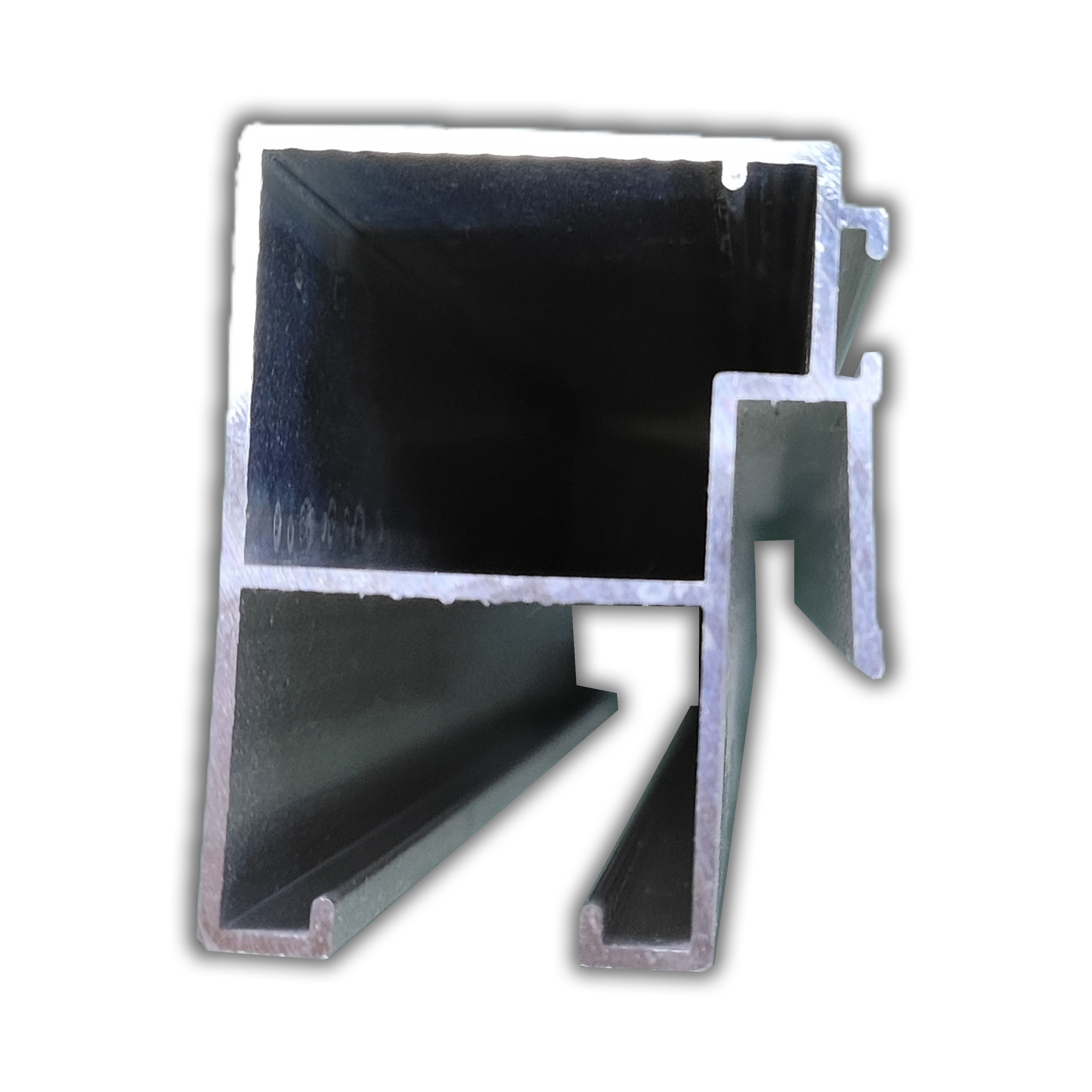
Simple rule: if the profile carries load or needs wear resistance, specify 6061-T6. If it is a frame, guard or visible part, 6063-T5 gives you better surface quality at lower cost.
Strength versus extrudability
6061 is stronger but harder to extrude. Complex sections with uneven wall thickness are more likely to distort, and the die design has to be more conservative. 6063 flows more easily and tolerates more ambitious sections.
Surface
6063 anodizes into a finer, more uniform finish, which matters for visible parts. 6061 anodizes acceptably but shade control is harder on dark colours, so keep a reference coupon for repeat batches.
Hard anodizing
Where wear resistance is required, hard anodizing on 6061 is the usual route. The coating grows the part by several microns, so leave allowance on fits.
Do not over-specify
If a design relies on geometry — ribs, wall thickness, section depth — upgrading the alloy will not fix a weak section. Optimise the profile first, then choose the temper.
FAQ
Keep reading
Have a project to evaluate? Send us the drawing.
Request a Quote