Five DFM Checks Before You Send an Aluminum Part to a Machine Shop
2026-11-06 · Editorial · views 45
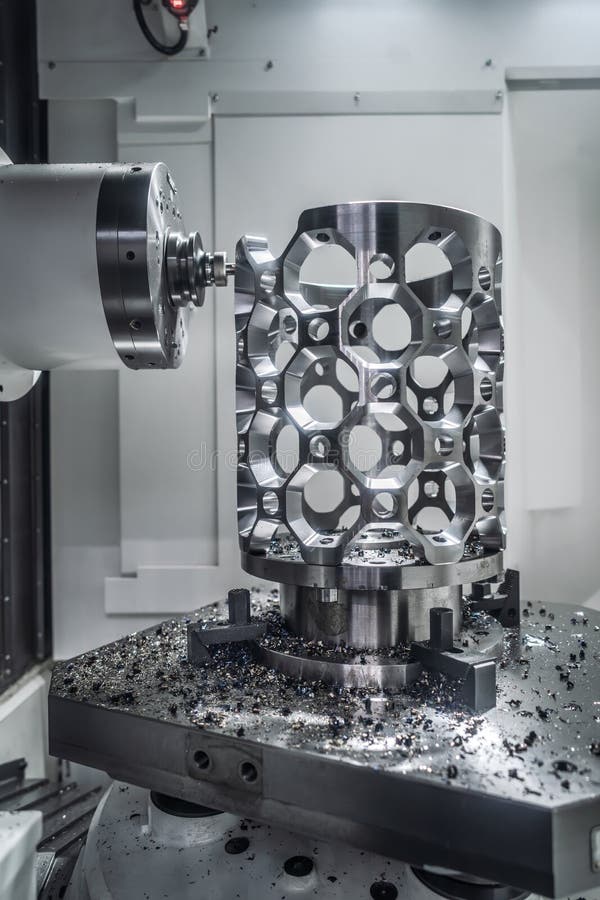
Quotes rarely stall because a shop is slow. They stall because the drawing leaves a decision open. These five checks catch most of it.
1. Minimum wall thickness
Thin walls distort during machining, and the thinner they are the more the clamping matters. If a wall is thinner than the rest of the part, flag it and expect a process review rather than a straight quote.
2. Tool access
Deep pockets with small corner radii need long, slender tools that deflect. Check whether the corner radius matches a standard cutter and whether the depth is reachable without a special holder.
3. Datum and fixturing
Ask yourself how the part will be held. If no stable face exists for clamping, the shop has to build a fixture, which shows up in cost and lead time.
4. Surface finish and cosmetics
State which faces are visible. Cosmetic faces need a different tool path and may need sandblasting; functional faces may not. Ambiguity here causes rework.
5. Post-processing allowance
Anodizing, plating and passivation all change dimensions slightly. Where fits matter, leave allowance and say so on the drawing.
Send the 3D model with these answers and the quote usually comes back with a process note rather than a list of questions.
FAQ
Keep reading
Have a project to evaluate? Send us the drawing.
Request a Quote