Why Are There Color Differences in Anodized Aluminum Parts?
2026-11-07 · CRYJT · views 3
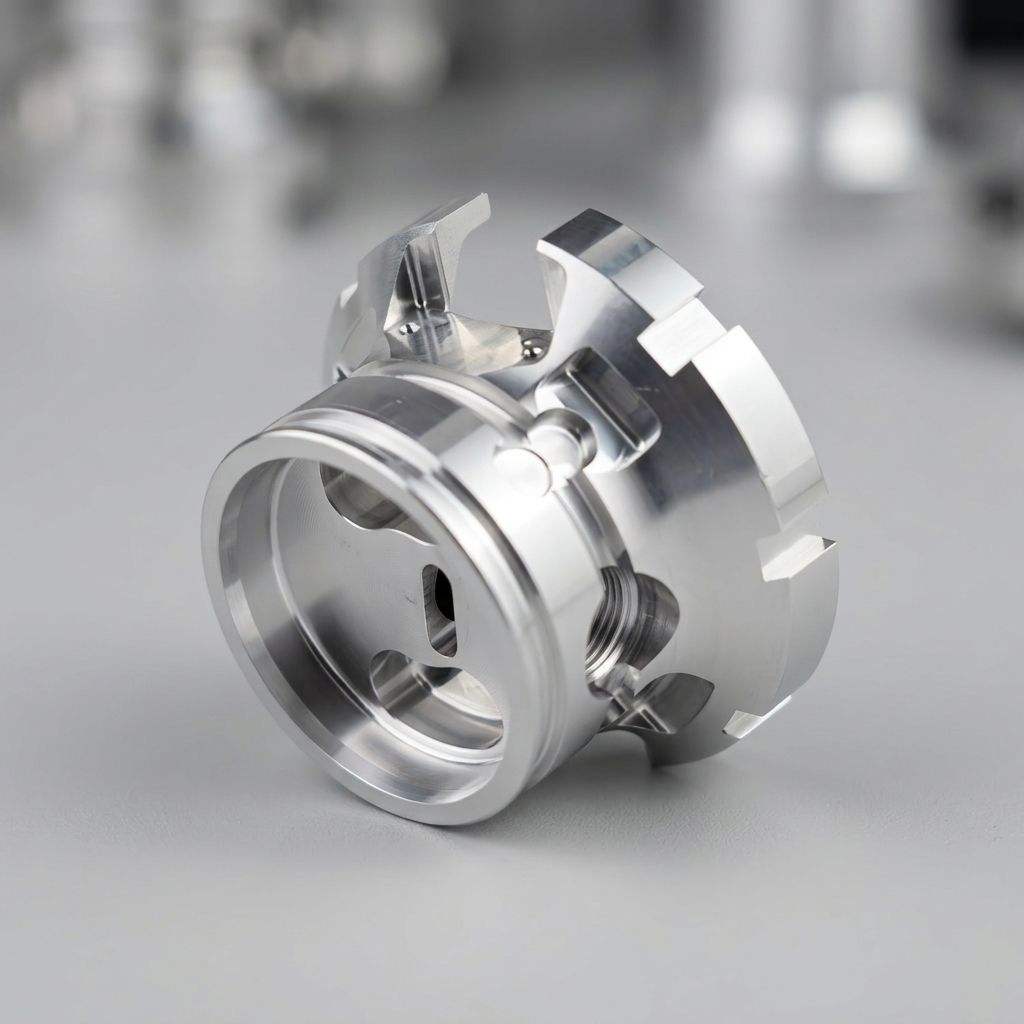
Why Are There Color Differences in Anodized Aluminum Parts?
Color differences in anodized aluminum can arise from several factors, impacting aesthetics and consistency in multi-component assemblies. These variations stem from material properties, processing conditions, and environmental exposure.
Key Criteria Influencing Anodizing Color
The anodizing process creates a porous oxide layer that can be dyed. Key criteria include the aluminum alloy type (affecting porosity), the anodizing solution chemistry (determining layer thickness), and the dye concentration and immersion time. Environmental factors like humidity and temperature also play a role post-anodizing.
How to Specify Anodizing for Consistency
To minimize color differences, specify the aluminum alloy (e.g., 6061-T6), anodize type (Type II or Type III), required anodize thickness (in microns), and dye color (using Pantone or RAL codes). Request that the supplier uses consistent dye lots and controls process parameters tightly.
Common Pitfalls to Avoid
1. Inconsistent material batches – Use the same alloy grade for all parts. 2. Ignoring anodize type – Type III offers better uniformity for dyeing. 3. Overlooking post-process handling – Protect parts from UV and moisture until assembly. Always confirmed against the drawing or sample for critical applications.
For custom-machined or extruded aluminum parts requiring precise anodizing, Foshan Chuangrongyao Metal Products Co., Ltd. offers tailored solutions to drawing with samples. Contact Mr. Huang at +86 150 9995 1623 or info@cryjt.com for inquiries.
| Factor | Impact on Color |
|---|---|
| Alloy composition | Alters dye absorption |
| Anodize thickness | Influences depth of color |
| Dye lot variation | Causes shade shifts |
FAQ
Keep reading
Have a project to evaluate? Send us the drawing.
Request a Quote