Why Does Anodizing Color Variation Occur on Aluminum Extrusions?
2026-11-08 · CRYJT · views 1
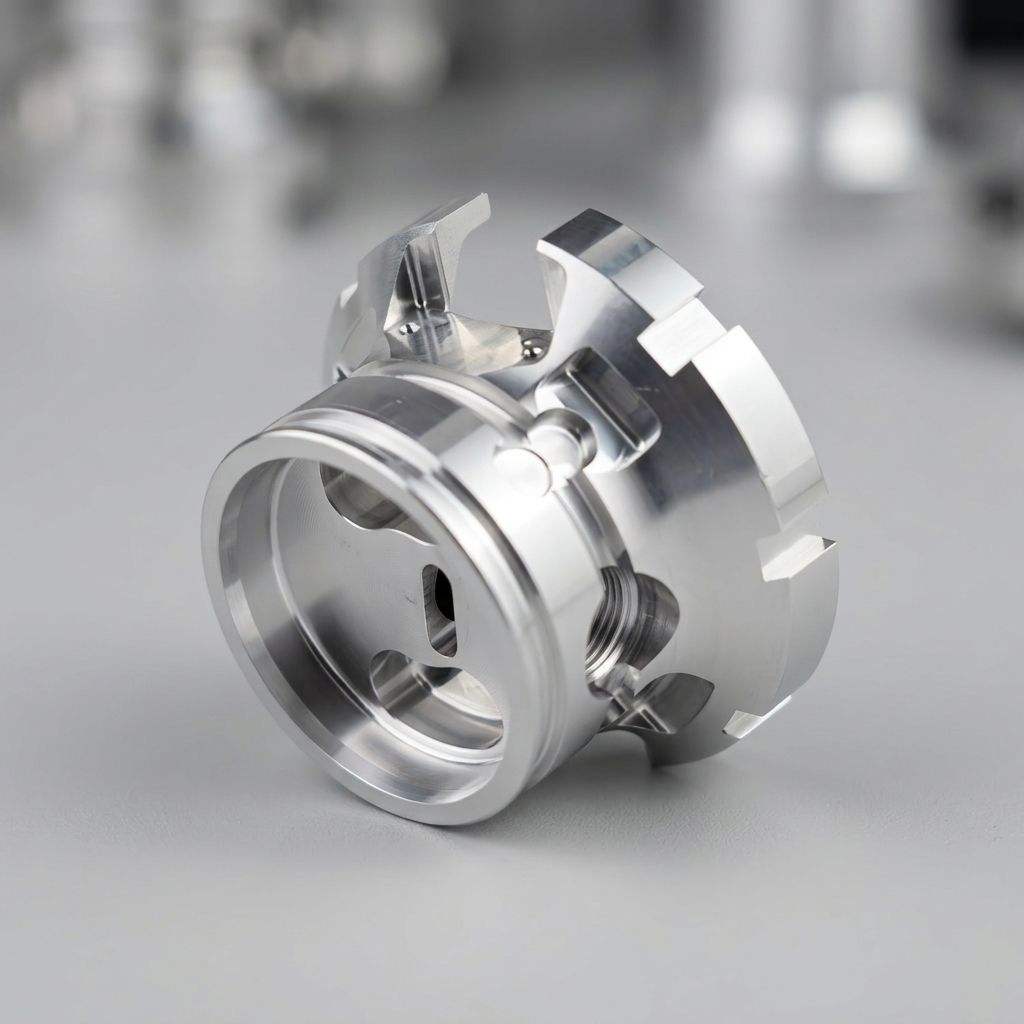
Why Does Anodizing Color Variation Occur on Aluminum Extrusions?
Anodizing color variation on aluminum extrusions is a common concern for sourcing managers. This variation can impact the aesthetic consistency of final products, especially in applications where uniform color is critical. Understanding the causes helps in specifying requirements accurately and communicating expectations effectively with manufacturers.
What Are the Key Criteria Affecting Anodizing Color?
The primary factors influencing anodizing color variation include alloy composition, surface condition, anodizing process parameters, and post-process treatments. Different aluminum alloys (e.g., 6063-T5 vs. 6061-T6) absorb dye unevenly due to natural variations in their microstructure. Surface imperfections or residues from extrusion or machining also disrupt the anodizing layer, leading to inconsistent color. Process variables like temperature, time, and dye concentration further affect uniformity.
How Should You Specify Anodizing Requirements?
To minimize color variation, specify the aluminum alloy grade (e.g., 6063-T5), required surface finish, anodizing thickness, and dye color precisely. Use Pantone or RAL color codes for clarity. Request a color-matched sample before mass production. Clearly communicate any environmental or mechanical post-treatment requirements, as these can alter the final appearance. For complex profiles, consider dividing the order into batches with similar surface conditions to reduce variability.
What Are Common Pitfalls to Avoid?
Overlooking initial surface preparation leads to inconsistent anodizing. Relying on verbal specifications instead of written documentation or approved samples increases the risk of mismatched colors. Ignoring the impact of alloy variations between extrusion and machining stages results in unexpected color shifts. Always confirm the manufacturer's anodizing process capabilities and quality control measures. Requesting multiple color variations in a single order without proper segregation can exacerbate consistency issues.
Frequently Asked Questions
- Q: How can I ensure consistent anodizing colors in large orders?
- A: Use color-matched samples, specify alloy grade and surface condition, and order batches with similar characteristics.
- Q: Can anodizing color variation be eliminated entirely?
- A: While minor variations are natural, precise specification and quality control can significantly reduce inconsistency.
- Q: What role does alloy selection play in anodizing color?
- A: Alloy composition affects dye absorption; 6063-T5 is generally more uniform than 6061-T6 for anodizing.
For custom aluminum extrusions with precise anodizing specifications, Foshan Chuangrongyao Metal Products Co., Ltd. offers tailored solutions to drawing with samples. Contact Mr. Huang at +86 150 9995 1623 or info@cryjt.com for inquiries.
FAQ
Keep reading
Have a project to evaluate? Send us the drawing.
Request a Quote