How to Determine Base Plate Thickness for Aluminum Heat Sinks Without Overpaying or Compromising Performance?
2026-11-07 · CRYJT · views 1
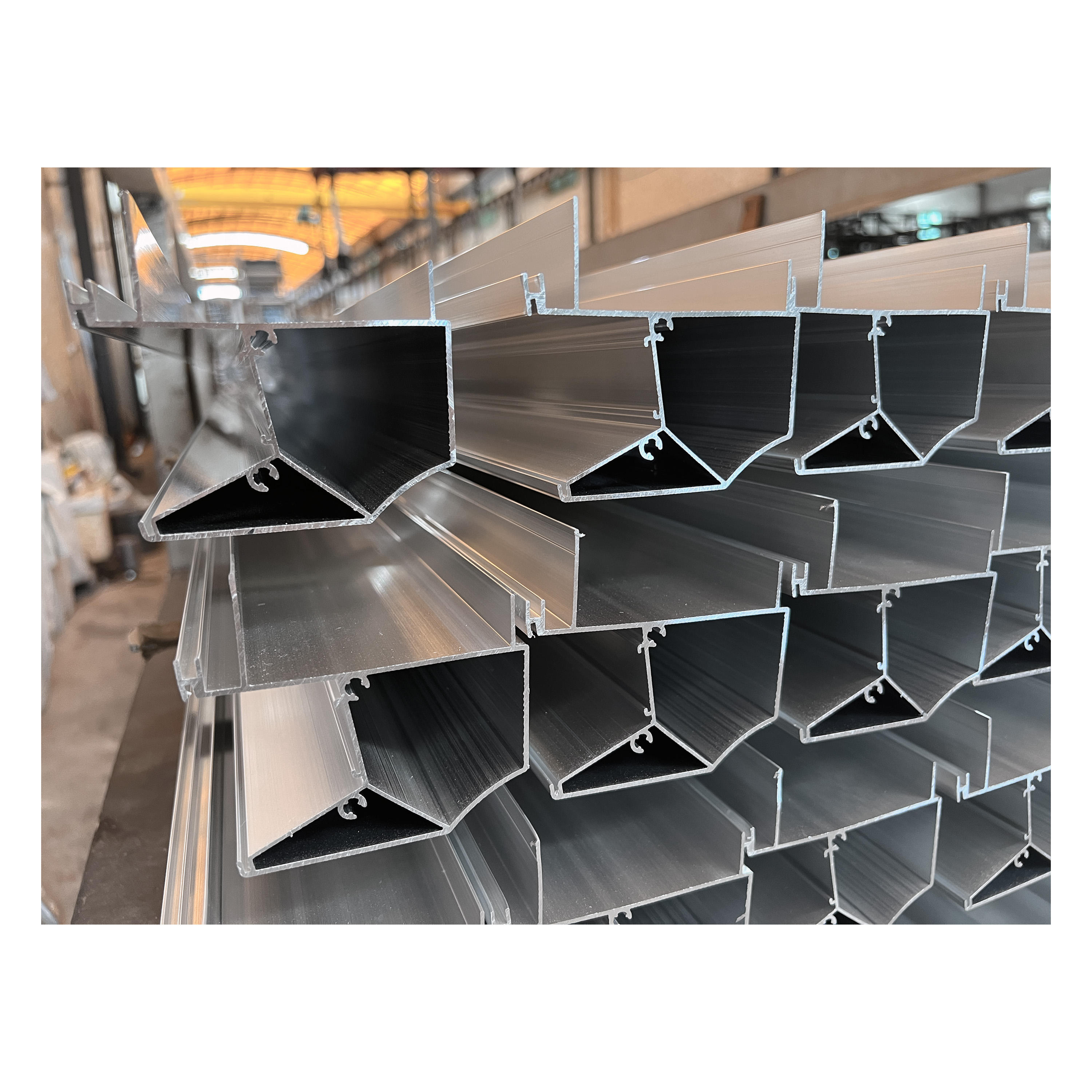
Why Base Plate Thickness Matters
Thicker base plates improve heat spread and load distribution but increase cost. Under-sized plates risk warping under thermal cycling, while oversize plates raise material expenses without proportional benefits.
Key Criteria to Define Thickness
- Power density: 10–20 W/cm² applications require 2.5–4 mm thickness (0.1–0.16 in); higher densities need 4–6 mm (0.16–0.24 in).
- Thermal conductivity: 6063-T5 (162 W/m·K) or 6061-T6 (167 W/m·K) alloys balance conductivity and workability.
- Load requirements: Static loads up to 50 N/m² need 2–3 mm; dynamic loads require 3–5 mm.
How to Specify It Correctly
1. Calculate using fin pitch (e.g., 2 mm) and heat dissipation (Q): thickness ≥ (Q × 0.0003) / (ΔT × k), where ΔT is temperature differential and k is conductivity.
2. Confirm against CAD drawings or samples. Avoid vague terms like ‘standard’—specify exact mm values.
Common Pitfalls
- Overlooking vibration: Thicker plates (≥3 mm) mitigate fin loosening in bonded/staked designs.
- Ignoring anodizing: 15–20 µm anodized layers reduce corrosion but don’t alter thickness requirements.
- Assuming extrusion limits: Extruded profiles max out at 6 mm thickness; CNC parts can achieve 8+ mm.
Recommended Action
For skived fin heat sinks (Foshan Chuangrongyao’s specialty), specify thickness as confirmed against the drawing or sample. Mr. Huang (info@cryjt.com) can provide custom solutions for non-standard requirements.
FAQ
Keep reading
Have a project to evaluate? Send us the drawing.
Request a Quote