How to Specify Deburring for Skived Fin Heat Sinks When Sourcing from China
2026-11-07 · CRYJT · views 1
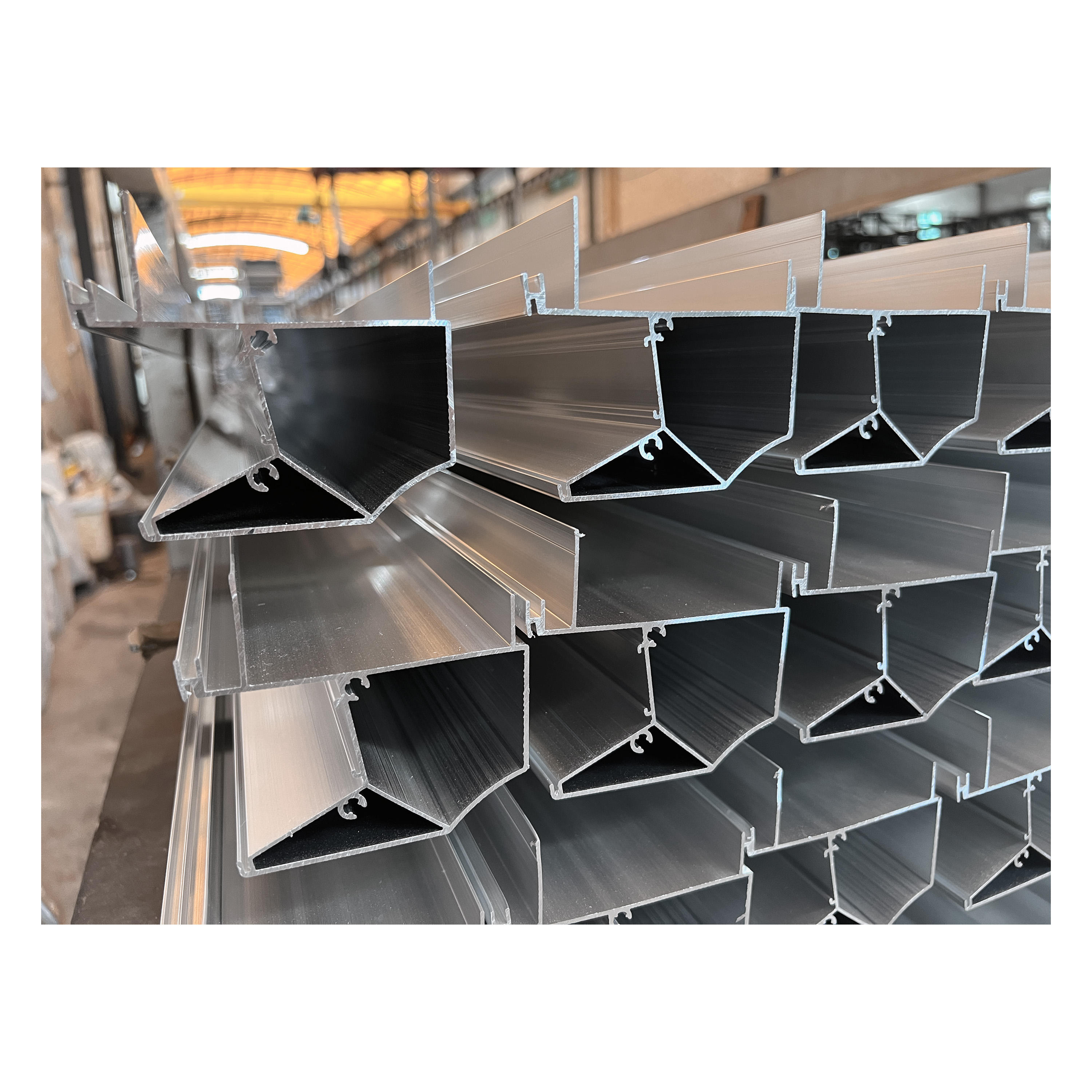
Why Deburring Matters for Skived Fin Heat Sinks
Deburring is a critical step in the production of skived fin heat sinks, affecting both performance and reliability. Undeburred edges can cause operational issues like vibration, noise, and reduced airflow due to turbulence. More significantly, sharp edges can lead to premature wear and potential failure in high-vibration environments. For overseas procurement engineers, understanding deburring ensures the heat sink meets design specifications and end-use requirements. A heat sink with properly deburred fins operates efficiently, dissipating heat without unnecessary resistance. The process removes small burrs left by skiving, creating smooth, precision-crafted edges that enhance aerodynamic performance and longevity. Without adequate deburring, the thermal performance of the heat sink may be compromised, leading to overheating and system downtime. This is particularly important for applications in electronics, automotive, and industrial machinery where thermal management is paramount.
Key Criteria for Specifying Deburring
When specifying deburring for skived fin heat sinks, focus on three main criteria: edge finish quality, burr height, and consistency. The edge finish quality should be described as smooth and free of sharp protrusions, often using terms like 'ultra-precision deburring' or 'micro-finishing.' Burr height is measured in micrometers (µm) and should be confirmed against the drawing or sample. For most applications, a burr height below 50 µm (0.002 inches) is recommended, but this depends on the specific heat sink design and operating environment. Consistency across all fins is essential to ensure uniform airflow and thermal performance. Additionally, the deburring method should be specified, such as abrasive blasting, electrolytic deburring, or mechanical grinding, as each method produces different results. Understanding these criteria helps procurement engineers communicate their needs accurately to manufacturers.
How to Specify Deburring Requirements
To specify deburring requirements effectively, include detailed instructions in the technical drawing or purchase order. Start by defining the desired edge finish quality, such as 'smooth and rounded,' and specify the maximum allowable burr height in micrometers. For example, 'Edge finish: smooth and rounded; maximum burr height: 30 µm (0.0012 inches).' If the heat sink will be anodized, note that deburring should be completed before anodizing to prevent burrs from lifting during the process. Also, mention any post-deburring inspection requirements, such as visual inspection or dimensional checks. If the heat sink is part of a larger assembly, specify any interference fit considerations to ensure deburred edges do not cause issues during assembly. Always confirm these specifications against existing samples or approved drawings to avoid miscommunication. For custom skived fin heat sinks, Foshan Chuangrongyao Metal Products Co., Ltd. can work with drawings to provide samples and ensure the deburring meets your exact needs.
Common Pitfalls to Avoid
Overlooking deburring specifications is a common pitfall that can lead to subpar heat sink performance. One mistake is not specifying burr height, leaving the manufacturer to decide, which can result in inconsistent edges. Another is assuming the heat sink will be deburred after anodizing, when in reality, deburring should precede anodizing to prevent burr lifting. Additionally, failing to consider the heat sink's operating environment can lead to inadequate deburring. For instance, heat sinks in high-vibration applications require stricter deburring to prevent edge fatigue. Also, neglecting to confirm specifications against samples can result in discrepancies between the final product and design intent. Always include a 'pass/fail' criteria for deburring in your technical documents, such as 'Edges must be smooth and free of burrs exceeding 40 µm (0.0016 inches) in height.' This ensures the manufacturer understands the minimum acceptable standard. For precision components, it's also recommended to request a deburring process that aligns with the heat sink's material and design, such as using electrolytic deburring for aluminum fins.
Deburring Methods for Skived Fin Heat Sinks
Several deburring methods are suitable for skived fin heat sinks, each with its advantages. Abrasive blasting uses fine media to smooth edges, ideal for large production runs. Electrolytic deburring is effective for complex geometries, removing burrs without physical contact. Mechanical grinding provides a high-quality finish but is slower. The choice depends on the heat sink's complexity, material, and required edge quality. For example, abrasive blasting is recommended for heat sinks with dense fin arrays, while electrolytic deburring suits intricate designs. Always communicate the chosen method to the manufacturer to ensure the correct process is used. Foshan Chuangrongyao Metal Products Co., Ltd. offers various deburring techniques and can select the most appropriate one based on your specifications. If you're unsure, provide the manufacturer with a sample of the desired finish for reference. This ensures the final product meets your expectations and performs as intended.
Final Recommendations for Procurement Engineers
When sourcing skived fin heat sinks from China, prioritize deburring specifications to ensure quality and performance. Always include detailed instructions in your technical documents, specifying edge finish quality, burr height, and consistency. Confirm these requirements against approved drawings or samples to avoid miscommunication. If the heat sink will be anodized, ensure deburring occurs before this process. For custom parts, Foshan Chuangrongyao Metal Products Co., Ltd. can work with your drawings to provide samples and refine the deburring process. Always request a 'pass/fail' criteria for deburring to set clear expectations. Finally, communicate any environmental considerations, such as vibration or corrosive conditions, to the manufacturer to ensure the heat sink is designed and deburred appropriately. For further assistance, contact Mr. Huang at +86 150 9995 1623 or info@cryjt.com. By following these guidelines, procurement engineers can secure skived fin heat sinks that meet their exact requirements and perform reliably in their applications.
FAQ
Keep reading
Have a project to evaluate? Send us the drawing.
Request a Quote