How to Specify CNC Machining Tolerances for Aluminum Parts?
2026-11-08 · CRYJT · views 1
Why Does CNC Machining Tolerance Matter for Aluminum Parts?
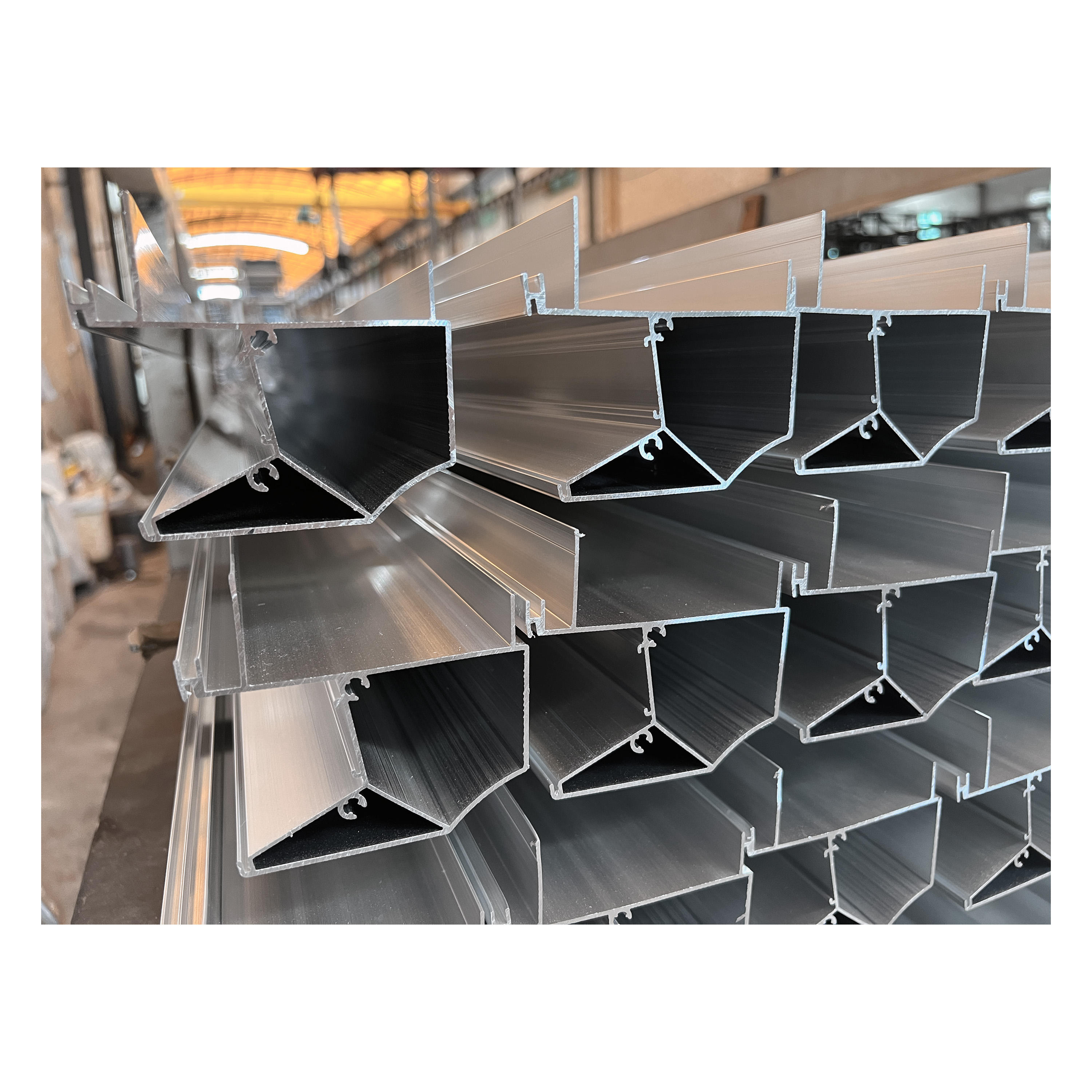
CNC machining tolerance for aluminum parts is critical because it directly impacts fit, function, and assembly efficiency. In precision hardware and structural components, even minor deviations can lead to performance issues or complete failure. Aluminum's machinability allows for tight tolerances, making precise specifications essential for parts like skived fin heat sinks or complex extrusion profiles. Understanding tolerances ensures components meet design requirements and work as intended in their final application.
What Are the Key Criteria for Specifying CNC Machining Tolerances?
First, identify the required dimensions: diameter, length, shoulder heights, and hole locations. Confirm against the drawing or sample. Second, define the tolerance class based on the part's function. A gear hub needs stricter tolerances than a mounting bracket. Third, consider the material; 6061-T6 aluminum offers good machinability for tight tolerances. Fourth, factor in the feature size; smaller features require tighter tolerances. Always specify tolerances in metric first (e.g., ±0.05 mm) with imperial in parentheses (±0.002 inches).
How Should You Specify CNC Machining Tolerances?
Use standard ISO or ASME tolerancing grades. For example, H7 for holes and h7 for shafts. Clearly annotate the drawing with tolerances for each critical dimension. Specify surface finish requirements separately, as they affect how well a part will hold a tolerance. For complex parts, consider geometric tolerances (GD&T) to control form, profile, orientation, and location. Always confirm tolerances against the drawing or sample to avoid ambiguity.
What Are Common Pitfalls in Specifying Tolerances?
One pitfall is under-specifying tolerances, leading to parts that don't assemble or function correctly. Over-specifying can increase costs without benefit, as extremely tight tolerances are difficult and expensive to achieve. Another mistake is not considering material variability or machine capabilities. For instance, 6063-T5 aluminum is harder to machine than 6061-T6 for tight tolerances. Finally, failing to include datum references in GD&T can lead to inconsistent part quality. Always work with the manufacturer to validate tolerance feasibility.
For custom CNC-machined aluminum parts, ensure your drawing specifies all critical dimensions and tolerances. Foshan Chuangrongyao Metal Products Co., Ltd. can custom-make parts to your drawing, providing samples for confirmation. For questions or to discuss your requirements, contact Mr. Huang at +86 150 9995 1623 or info@cryjt.com.
FAQ
- Q: What is the typical tolerance for CNC machining aluminum parts?A: It depends on the part and feature size. Common grades are ±0.05 mm to ±0.2 mm (±0.002 to ±0.008 inches), but confirm against your drawing or sample.
- Q: Can 6061-T6 aluminum achieve ±0.01 mm tolerances?A: Yes, but for small feature sizes. Material hardness and machine capability must be evaluated. A good fit for tight tolerances often involves specialized processes.
- Q: How do surface roughness and tolerances interact?A: Surface roughness affects how well a part can achieve a tight tolerance. A smoother surface generally allows for tighter tolerances. Specify both in the drawing.
FAQ
Keep reading
Have a project to evaluate? Send us the drawing.
Request a Quote