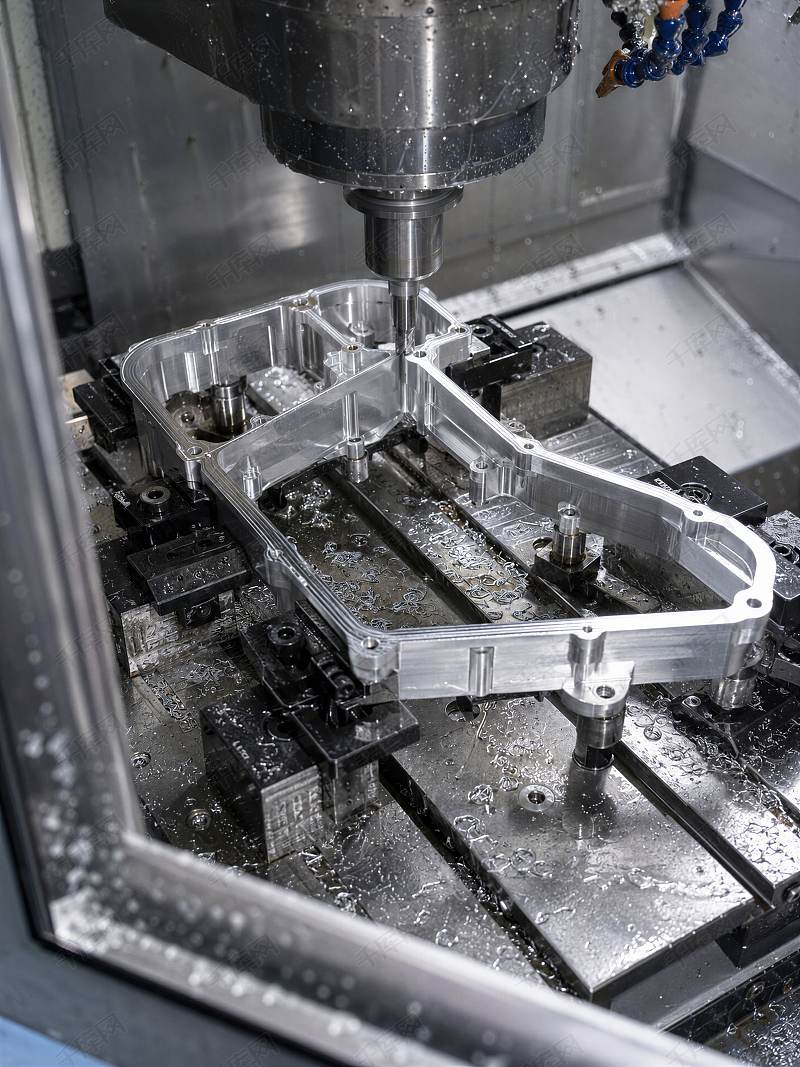
Air or Liquid Cooling for Charging Power Modules
When dense-fin air cooling still works, and when a liquid cold plate becomes necessary.
Requirement
Charging power density keeps rising, and modules that air cooling handled are now hitting noise, dust and derating limits. Liquid cooling brings sealing, maintenance and cost questions, and it does not suit every site. A selection line is needed.
Our approach
Classify by power density and environment: cabinets with moderate power and serviceable airflow stay on dense-fin air cooling; high density, strict ingress protection or noise-limited sites move to cold plates. Liquid parts prioritise seal-face flatness and clean flow paths; air parts prioritise fin geometry matched to airflow.
Start with three constraints
Per-module power, cabinet ingress rating, and site tolerance for noise and maintenance essentially decide the route.
How far air cooling goes
Dense fins, a thicker base and tighter inlet pitch push the derating point out; but filter resistance rises, so pitch must be adjusted with it.
The threshold for liquid
Liquid cooling is not just a different heat sink — it adds a sealing and maintenance system. Cold plate flatness and flow-path cleanliness are the reliability floor.
Recommended product set
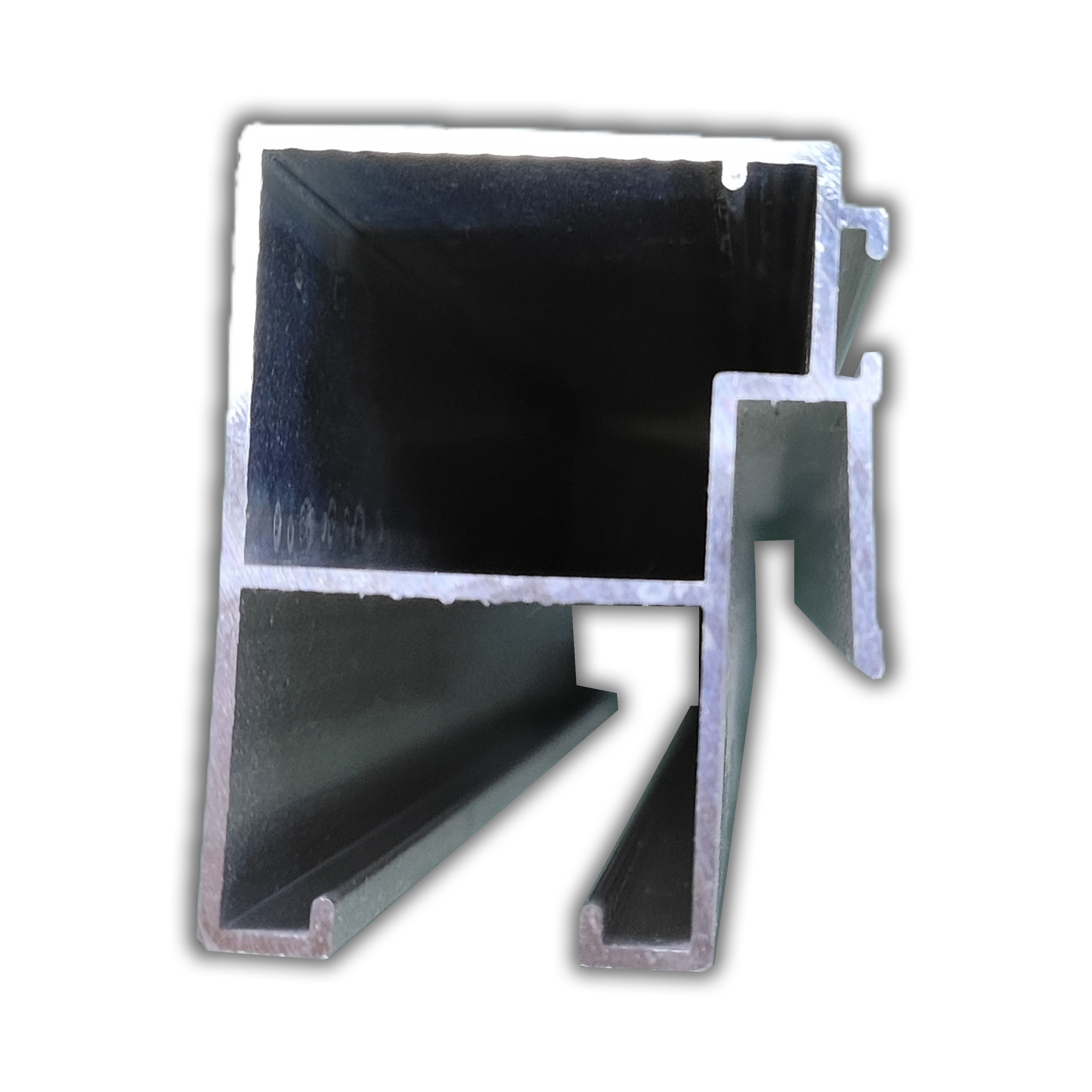 CZ-EX-6061CZ-CNC-002
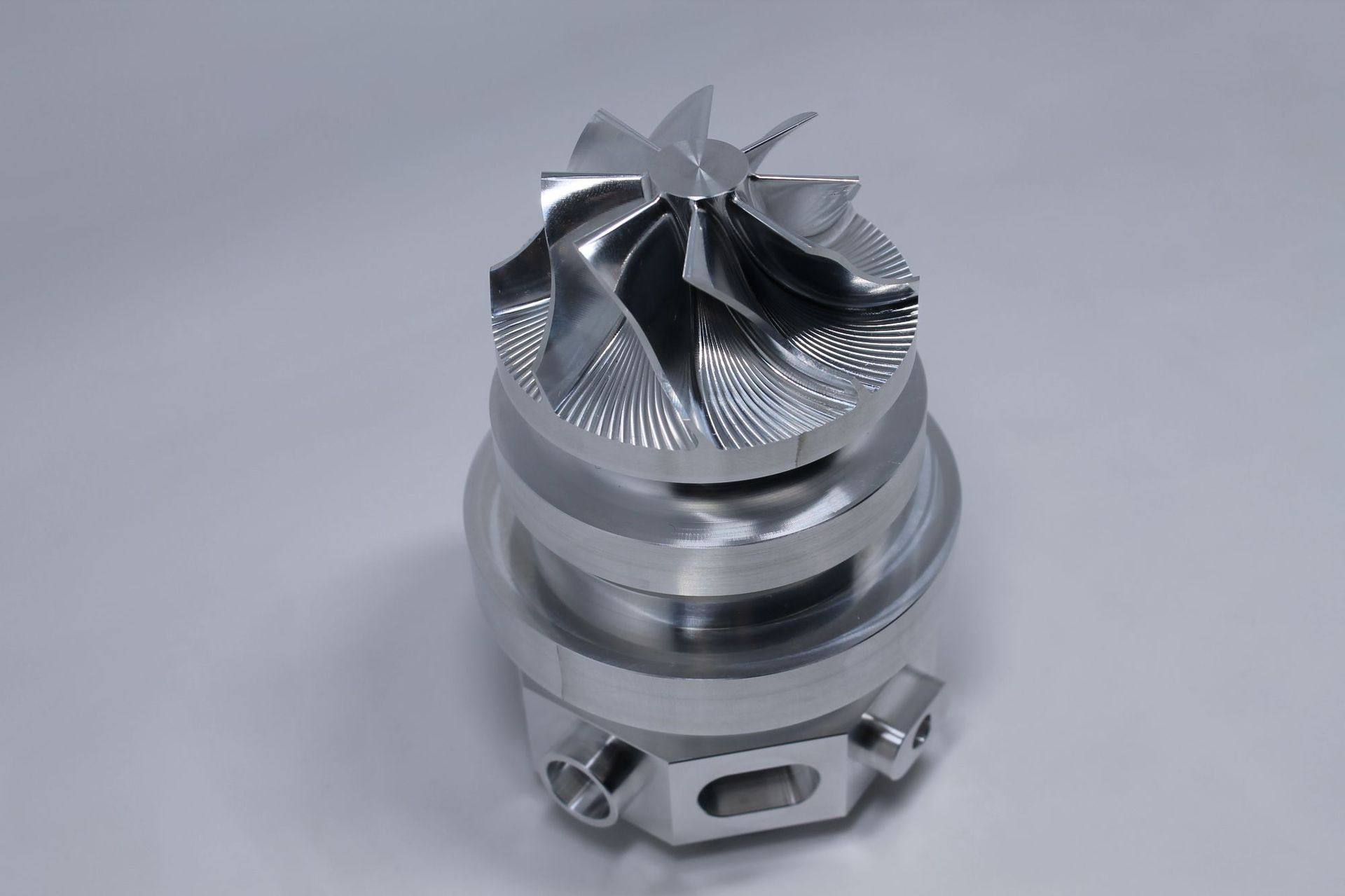 CZ-HW-004