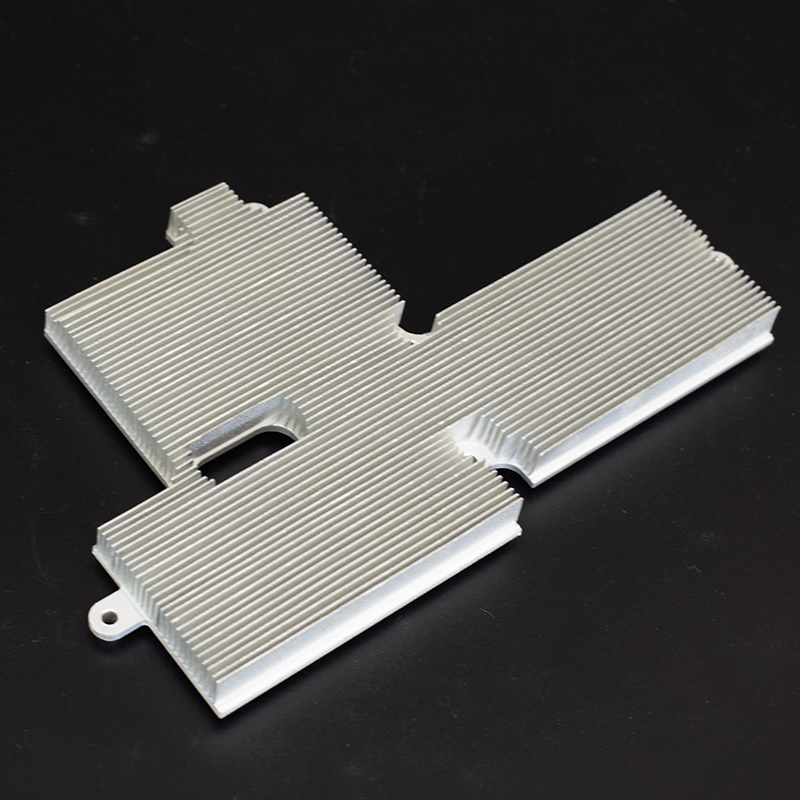
Cooling for EV Chargers and On-Board Power Supplies
From DC fast charger modules to on-board DC-DC housings, matched to closed cabinets and vibration duty.
Requirement
Two constraints dominate: chargers sit in closed or semi-closed cabinets where dust and water protection adds airflow resistance, and on-board parts live under continuous vibration where nothing may loosen or strip. Cooling and structure have to be designed together.
Our approach
Power modules get dense skived sinks with a thicker base to offset the airflow penalty. Housings are held to seal-face flatness with a machined mounting face. Automotive brackets get ribs and tapped holes are checked piece by piece with gauges. Finish follows the machine colour scheme.
Cooling a closed cabinet
A dust filter raises resistance, so taller fins alone gain little. Tighten pitch and thicken the base so heat spreads before it leaves.
Vibration duty
Most automotive failures start as loosening or fatigue. Rib the brackets, control thread form to the torque spec, and add locking features where needed.
Sealing
Seal-face flatness decides the leak test. Mill it separately and check each part on a surface plate before assembly.
Recommended product set
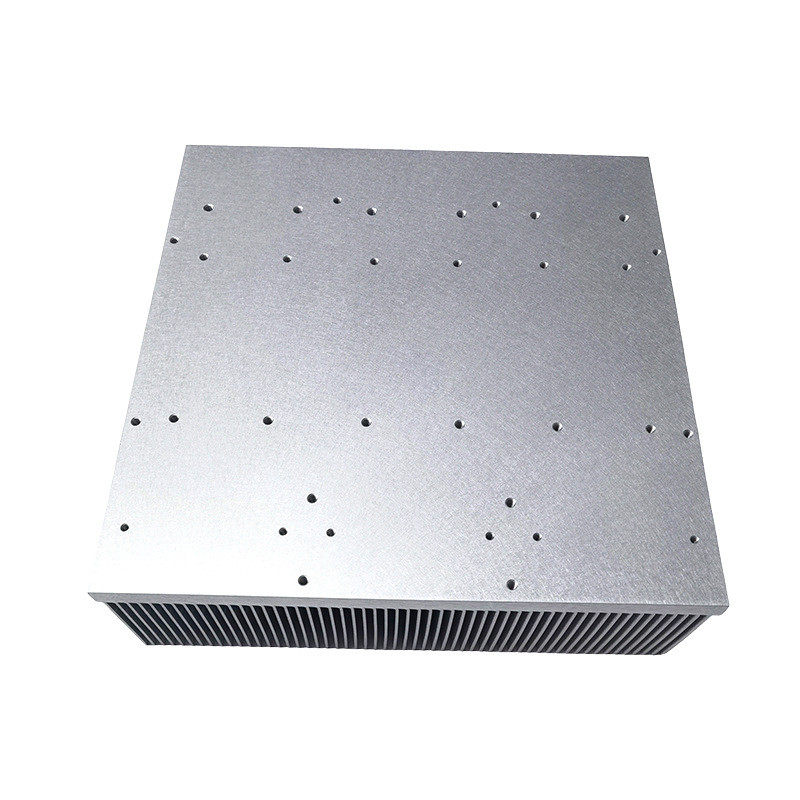 CZ-HS-200
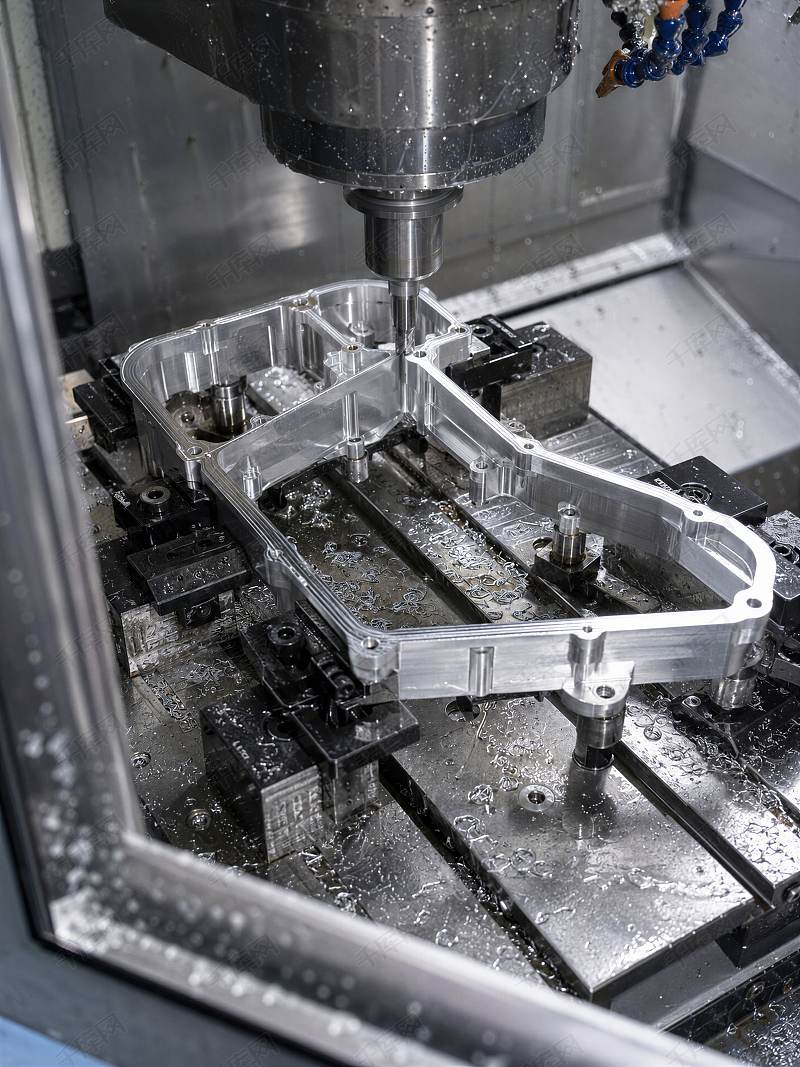 CZ-CNC-002
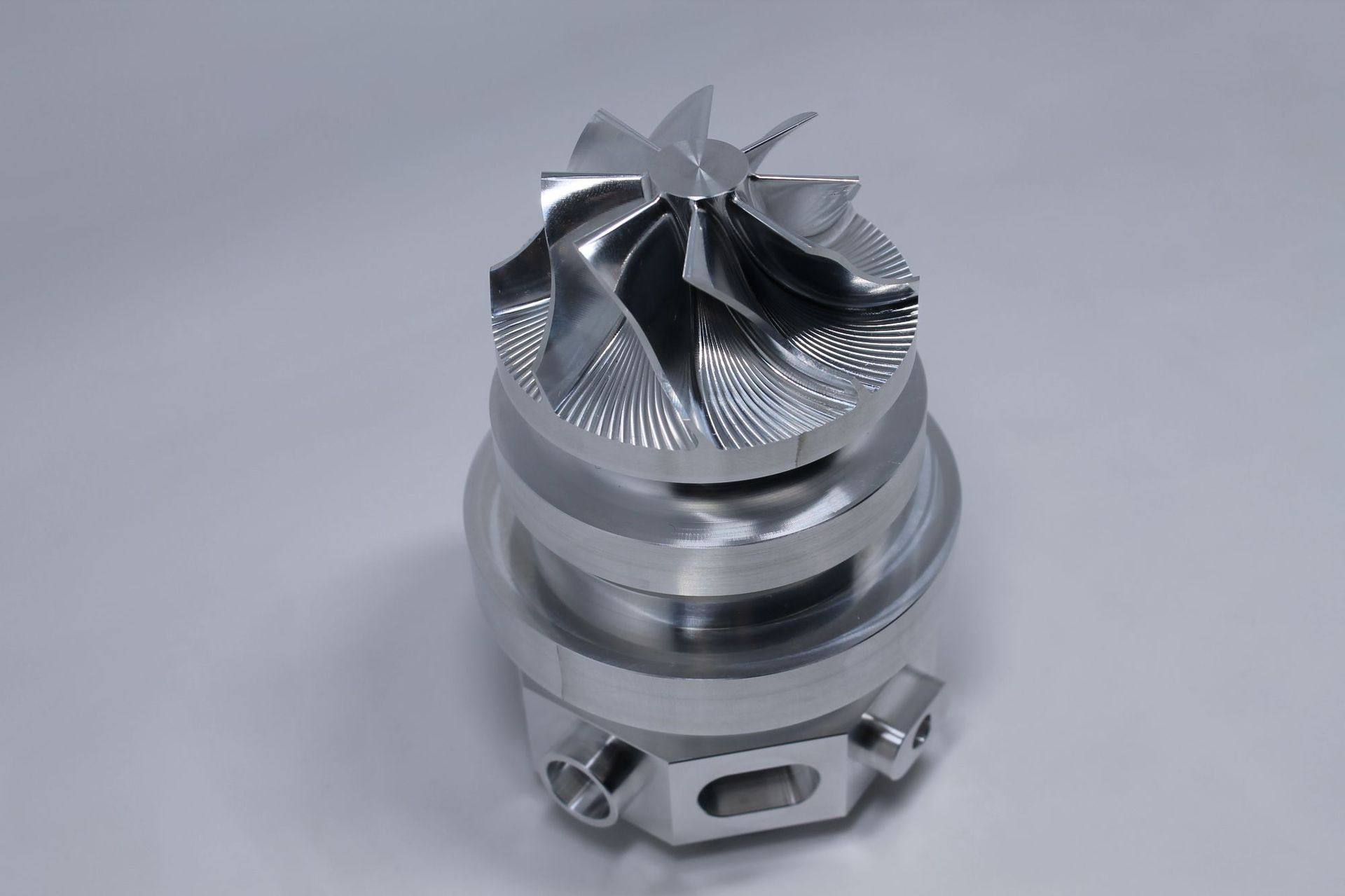 CZ-HW-004